


Trey Donze

Compressed Air Condensate: How Much a System Discharges and Where it Forms

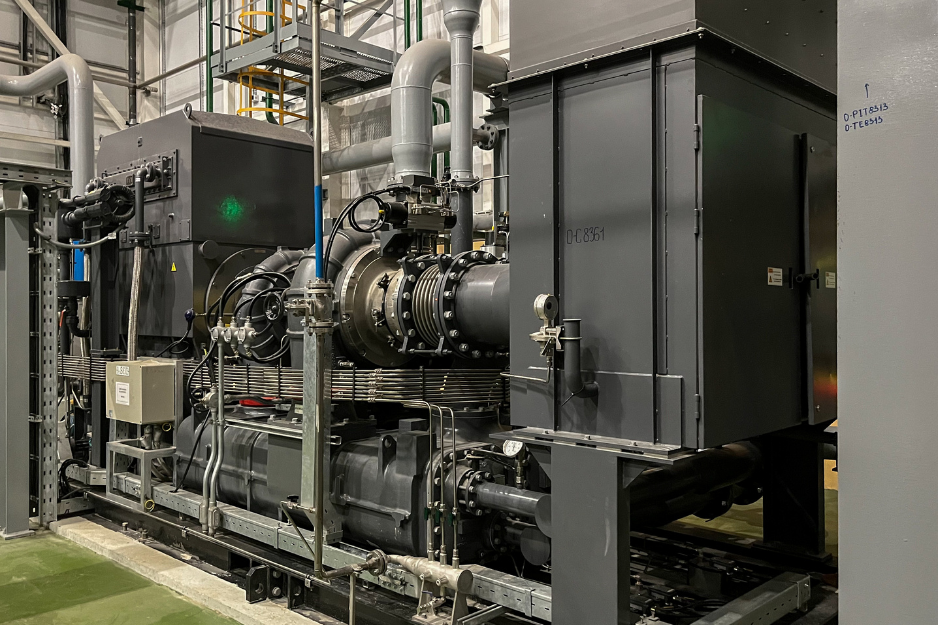
Condensate forms at every point where compressed air cools — at the aftercooler, in the dryer, and throughout the distribution lines. How much your system discharges depends on temperature, humidity, pressure, and flow. Left unmanaged, that moisture damages pneumatic equipment, degrades air quality, and creates compliance risks in regulated industries. This guide breaks down where condensate forms, how to estimate your system’s output, and how to size and select the right drainage solution.

Compressed Air Condensate: How Much a System Discharges and Where it Forms Read More »

modern industrial corridor featuring complex piping equipment machinery

Refrigerated Air Dryers and Summer Heat: Why Capacity Drops When Temperatures Climb

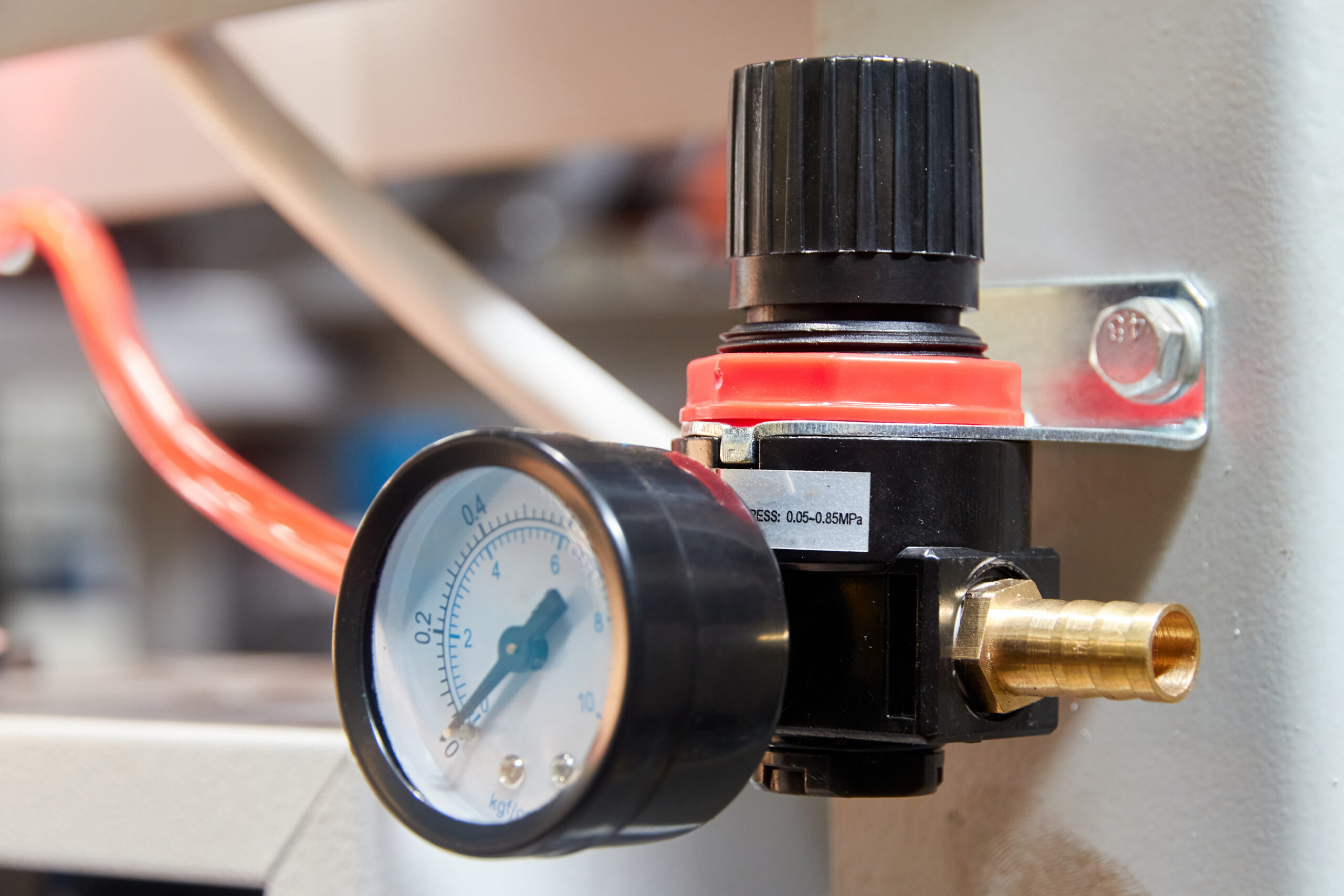
A refrigerated air dryer is rated at fixed conditions — but summer heat doesn’t care about lab ratings. As ambient and inlet temperatures climb, real drying capacity drops, and excess moisture moves downstream into tools, lines, and product. This guide explains why it happens, how correction factors work, and how to calculate your dryer’s true capacity before the heat season costs you.

Refrigerated Air Dryers and Summer Heat: Why Capacity Drops When Temperatures Climb Read More »

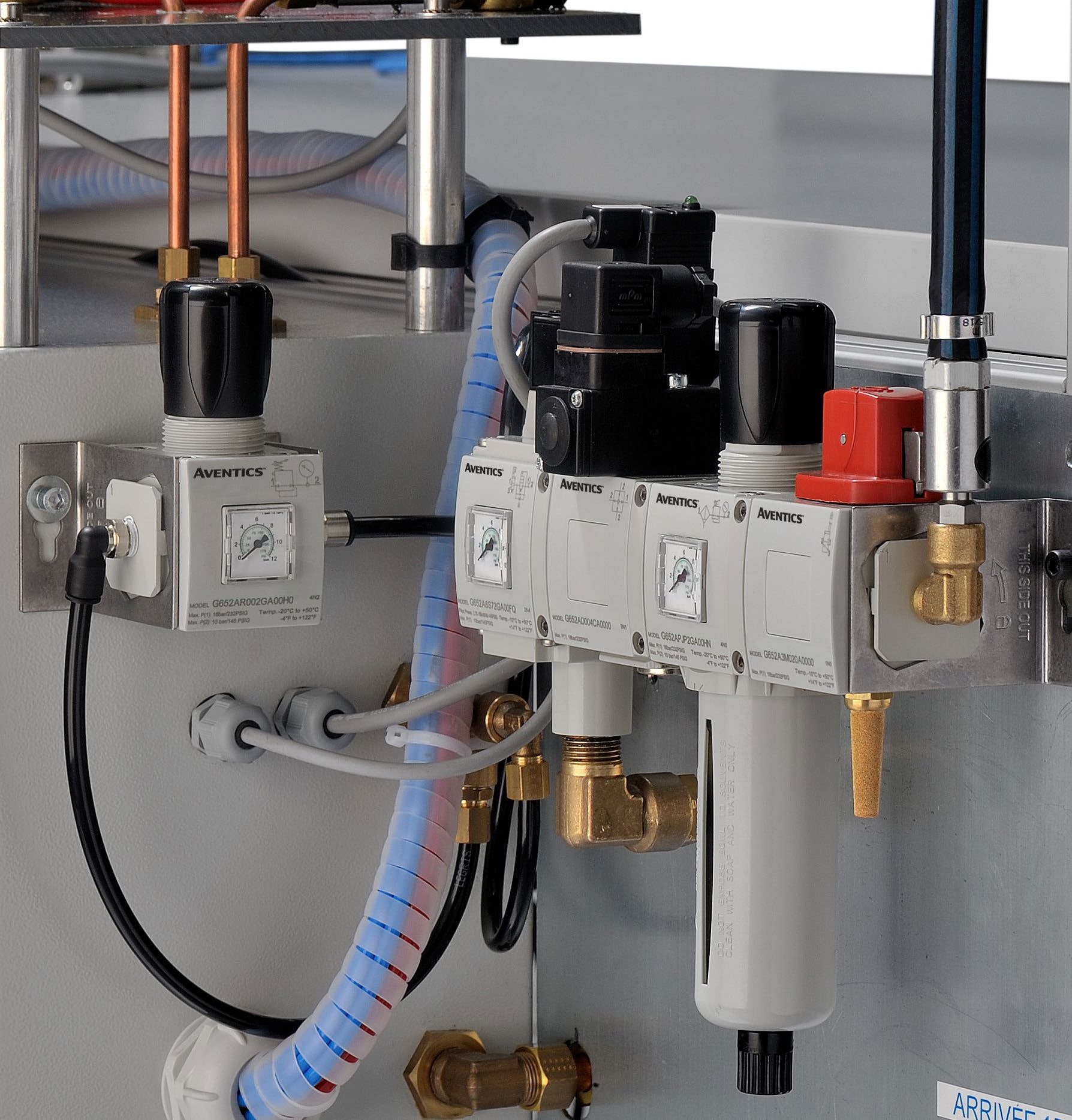
pneumatic regulator with pressure gauge and nipple

How Much Water is in Compressed Air and How Much Does Each Dryer Type Remove?

A compressed air system pulls in far more water than most operators expect — and untreated, that moisture causes rust, corrosion, and product degradation throughout the line. How much water stays in the system depends entirely on how it’s dried. This guide breaks down each dryer type, compares water removal efficiency and dew point, and helps identify the right solution for your application.

How Much Water is in Compressed Air and How Much Does Each Dryer Type Remove? Read More »

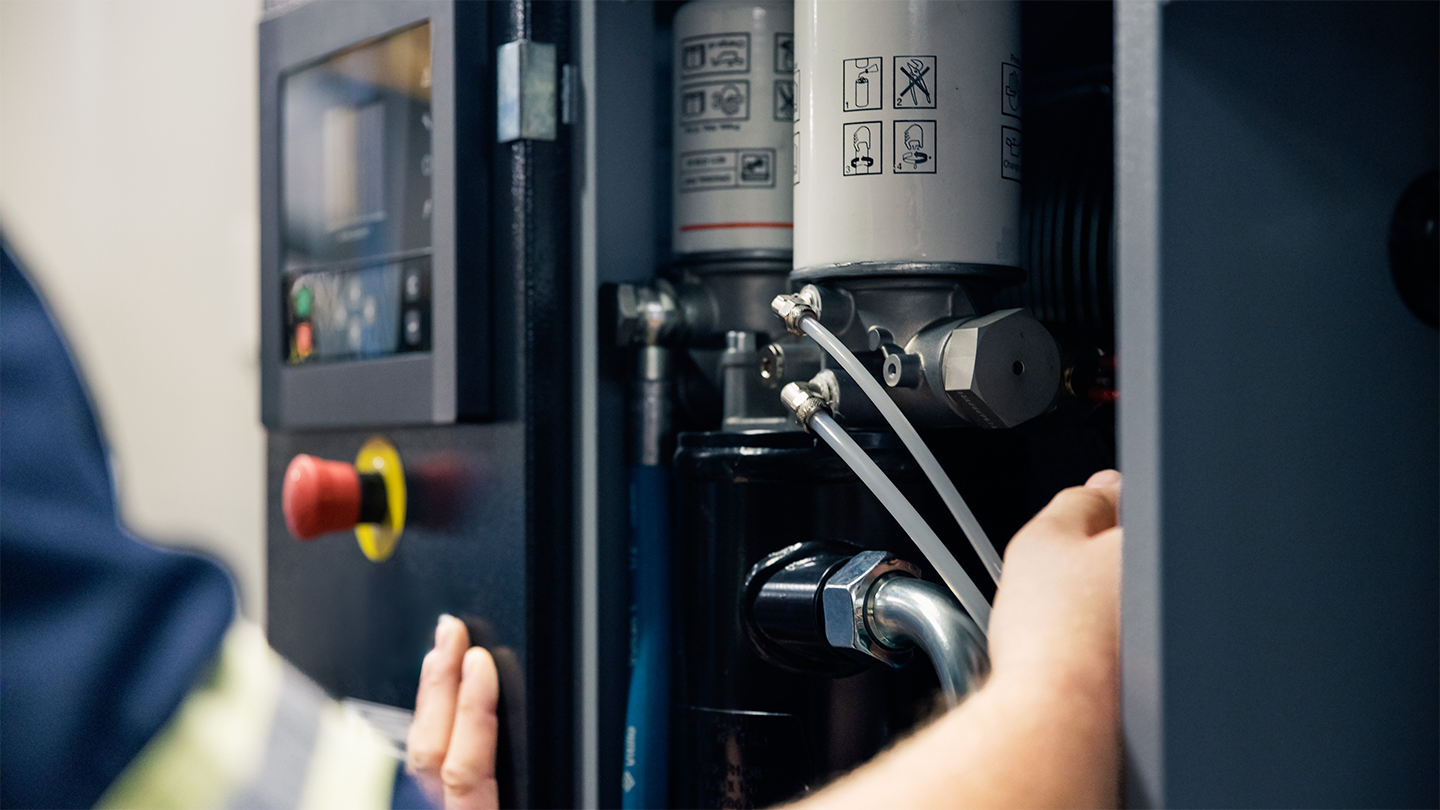
Internal wiring and components of industrial air compressor unit

How Much Compressed Air Do You Really Need? A Compressed Air System Sizing Guide

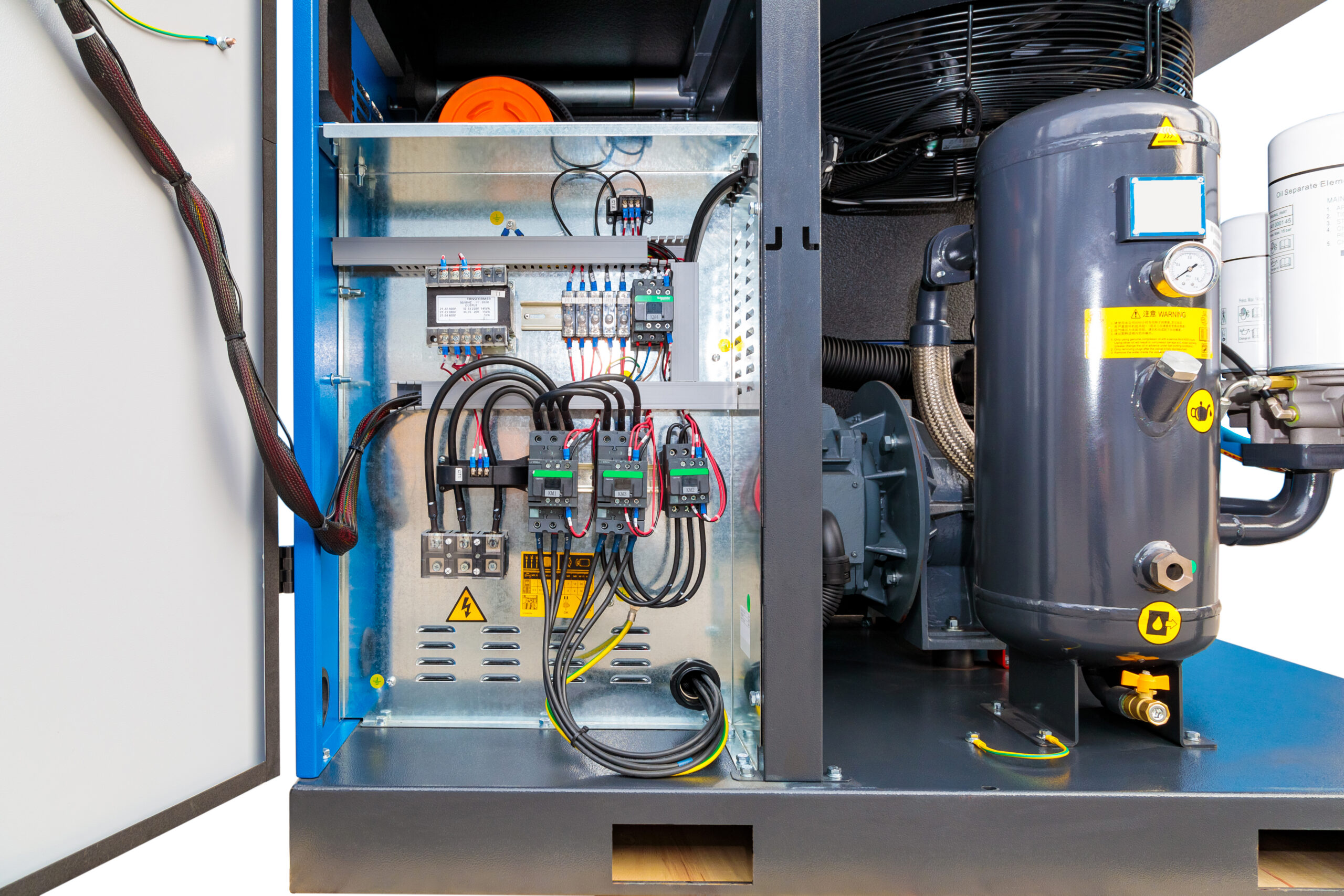
Most facilities are running a compressed air system that’s either too big or too small — and paying for it in energy costs, maintenance bills, and unplanned downtime. This guide walks through how to calculate your actual air demand, avoid the hidden costs of mis-sized equipment, and design a system that performs reliably even at peak load.

How Much Compressed Air Do You Really Need? A Compressed Air System Sizing Guide Read More »

Air Dryer Maintenance

Air Dryer Maintenance is Key to Optimized Compressor Performance

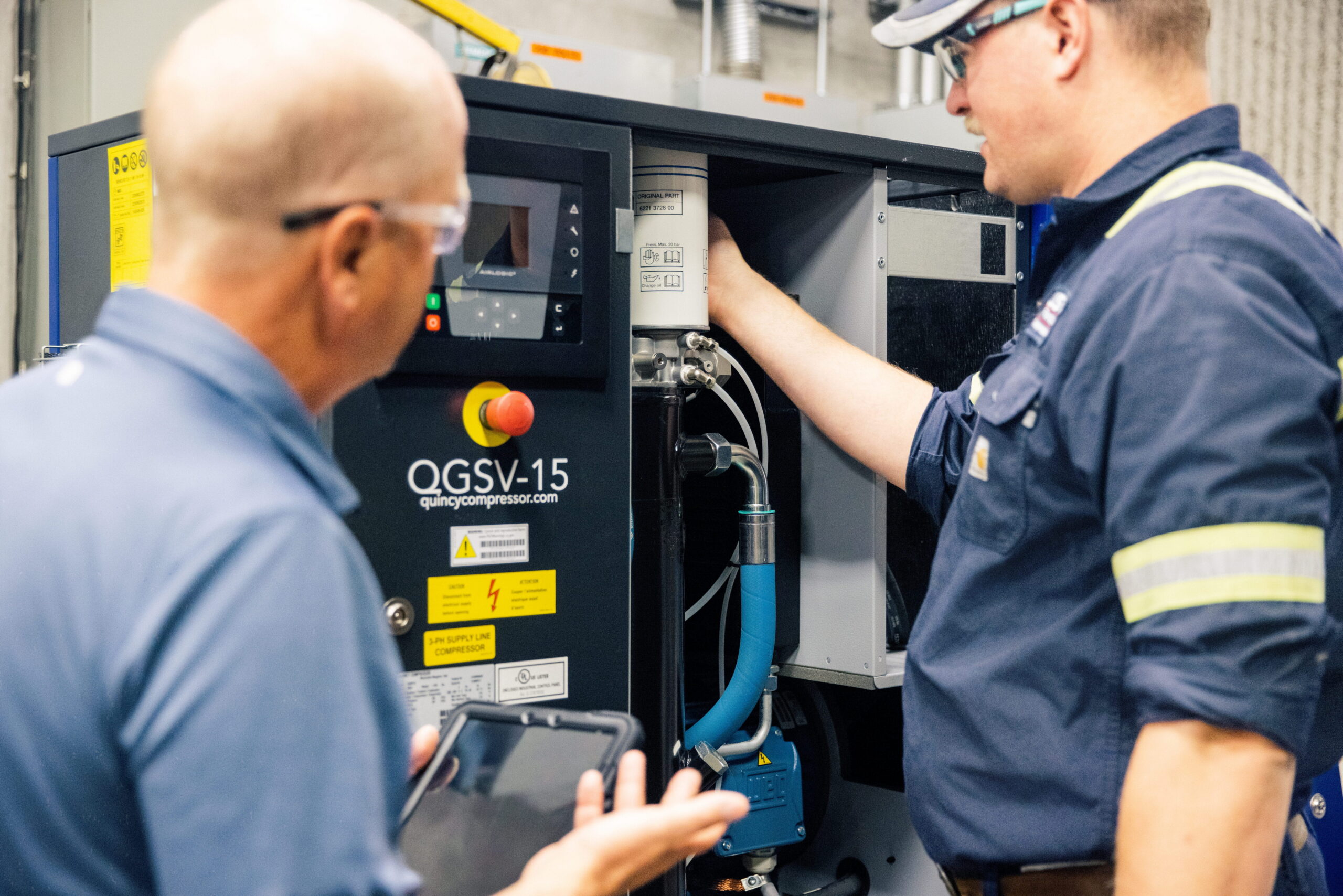
In the process of compressing air, air compressors generate a lot of moisture. Compressed air that is too wet introduces rust and contaminants into the compressed air system, which can cause performance inefficiencies, low-quality air and equipment failure. Installing a compressed air dryer and performing simple air dryer maintenance ensures high performance from your air

Air Dryer Maintenance is Key to Optimized Compressor Performance Read More »

pressure drop compressor

The Anatomy of Reciprocating Compressors

Air compressors are industrial workhorses that power pneumatic tools and machinery across manufacturing sectors. Several types of compressors are available to suit every application. This blog will explore one of the most-used compressor options with a deep dive into the anatomy of reciprocating air compressors. What are Reciprocating Compressors? Reciprocating compressors, sometimes called piston compressors,

The Anatomy of Reciprocating Compressors Read More »

compressed air

Manufacturer’s Checklist for Planning a Short-Term Equipment Rental

Planning a short-term equipment rental doesn’t have to be stressful. Whether you’re managing peak production, unexpected downtime or a special project, this manufacturer’s checklist walks you through everything you need to consider — from compressor specifications and site readiness to safety, service and end-of-term logistics. Use this guide to streamline your industrial equipment rental planning, control costs and keep your operations running smoothly.

Manufacturer’s Checklist for Planning a Short-Term Equipment Rental Read More »

Air compressor rental

Oil-Free vs. Oil-Lubricated Air Compressors: When to Rent or Buy

Choosing between oil-free and oil-lubricated air compressors isn’t just a technical decision — it impacts air quality, operating costs and long-term reliability. This guide breaks down ISO 8573 standards, key application requirements and the pros and cons of renting versus buying, helping you determine the most cost-effective solution for your operation.

Oil-Free vs. Oil-Lubricated Air Compressors: When to Rent or Buy Read More »