


Blog

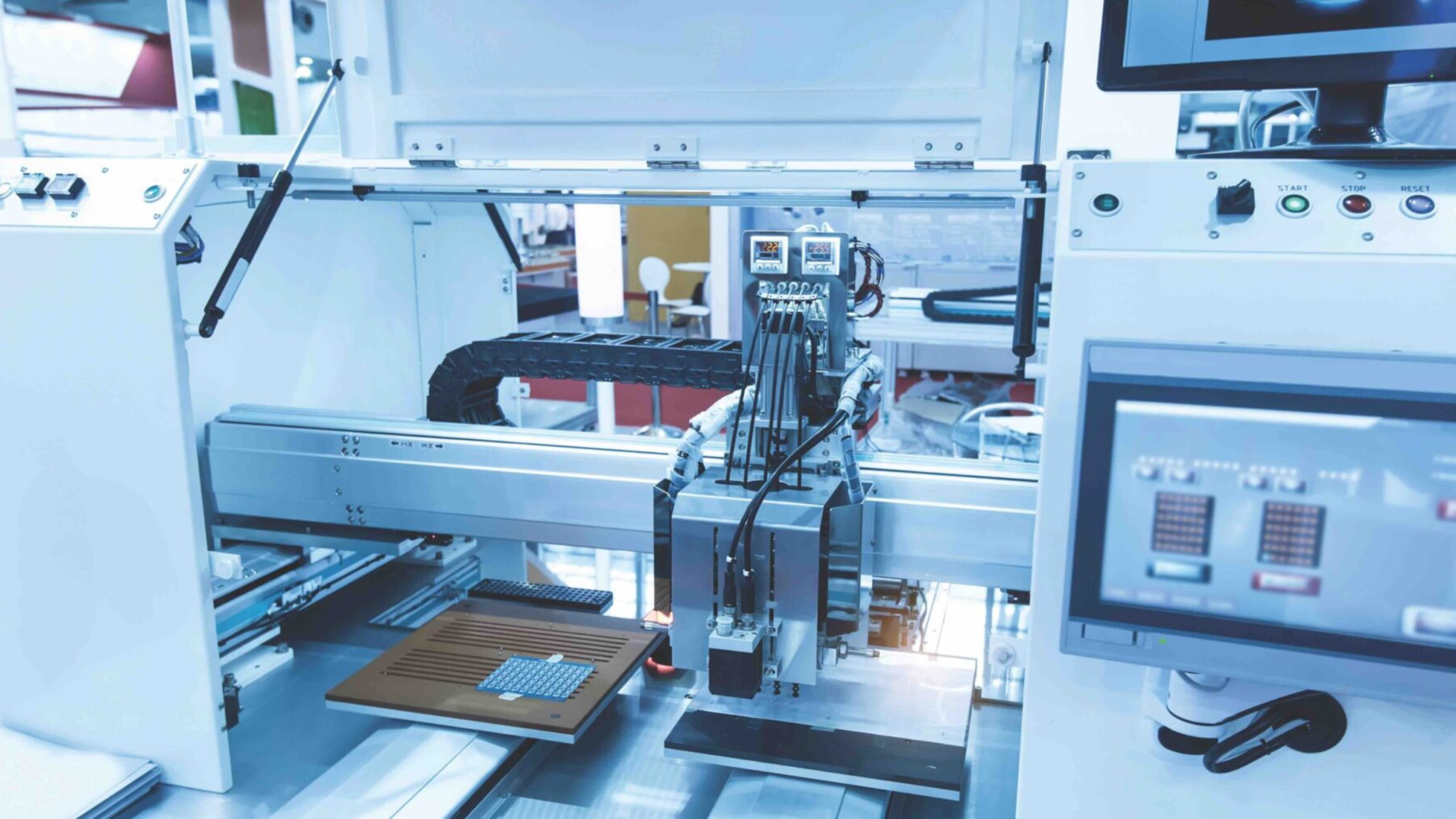
programming a high-tech machine in a factory

How Does Motion Control Work & What Components Do You Actually Need?

Motion control systems are the backbone of precise, automated movement—controlling speed, position, torque, and accuracy across countless industrial applications. In this guide, we break down how motion control works, the four essential components every system needs, and the key steps to building a reliable, high-performance solution. Whether you’re selecting motors, drives, or controllers, this blog will help you make smarter decisions for your application.

How Does Motion Control Work & What Components Do You Actually Need? Read More »

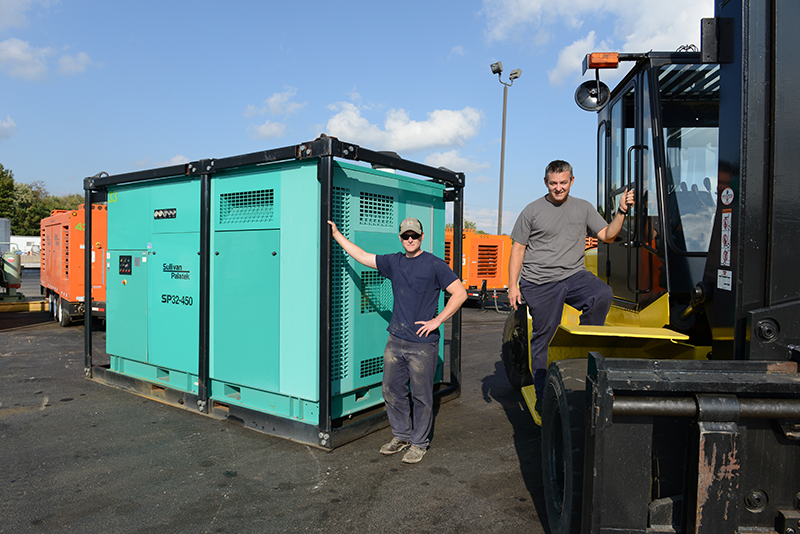
compressed air

Manufacturer’s Checklist for Planning a Short-Term Equipment Rental

Planning a short-term equipment rental doesn’t have to be stressful. Whether you’re managing peak production, unexpected downtime or a special project, this manufacturer’s checklist walks you through everything you need to consider — from compressor specifications and site readiness to safety, service and end-of-term logistics. Use this guide to streamline your industrial equipment rental planning, control costs and keep your operations running smoothly.

Manufacturer’s Checklist for Planning a Short-Term Equipment Rental Read More »

custom motion solutions banner

From Concept to Commissioning: How Custom Motion Solutions Reduce Total System Cost

Custom motion solutions reduce total system cost by engineering performance, reliability, and efficiency into automation projects from the start. By simplifying mechanical design, optimizing real-world operation, and improving commissioning and uptime, manufacturers can lower total cost of ownership far beyond initial component price.

From Concept to Commissioning: How Custom Motion Solutions Reduce Total System Cost Read More »

Air compressor rental

Oil-Free vs. Oil-Lubricated Air Compressors: When to Rent or Buy

Choosing between oil-free and oil-lubricated air compressors isn’t just a technical decision — it impacts air quality, operating costs and long-term reliability. This guide breaks down ISO 8573 standards, key application requirements and the pros and cons of renting versus buying, helping you determine the most cost-effective solution for your operation.

Oil-Free vs. Oil-Lubricated Air Compressors: When to Rent or Buy Read More »

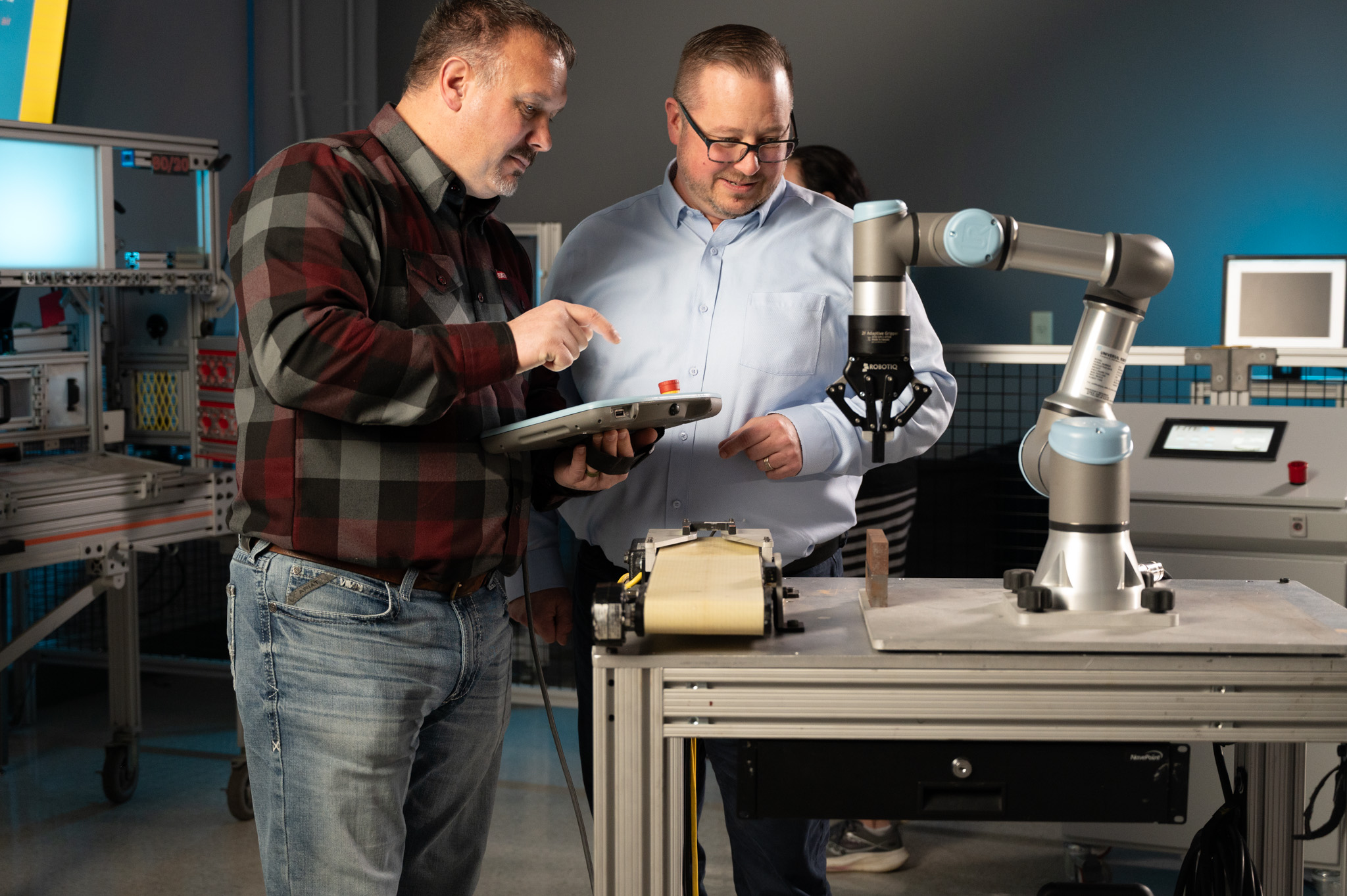
Engineers configuring robot machine

Five Automation Trends for 2026 that Manufacturers Need to Watch​

Manufacturing automation is evolving fast, and 2026 is shaping up to be a pivotal year. From flexible automation designed for high-mix production to smarter predictive maintenance tools and integrated control systems, new technologies are helping manufacturers work more efficiently, safely, and competitively. In this blog, we break down five key automation trends every manufacturer should be watching—and explain how applying these innovations can reduce downtime, support the workforce, improve compliance, and drive long-term operational success.

Five Automation Trends for 2026 that Manufacturers Need to Watch​ Read More »

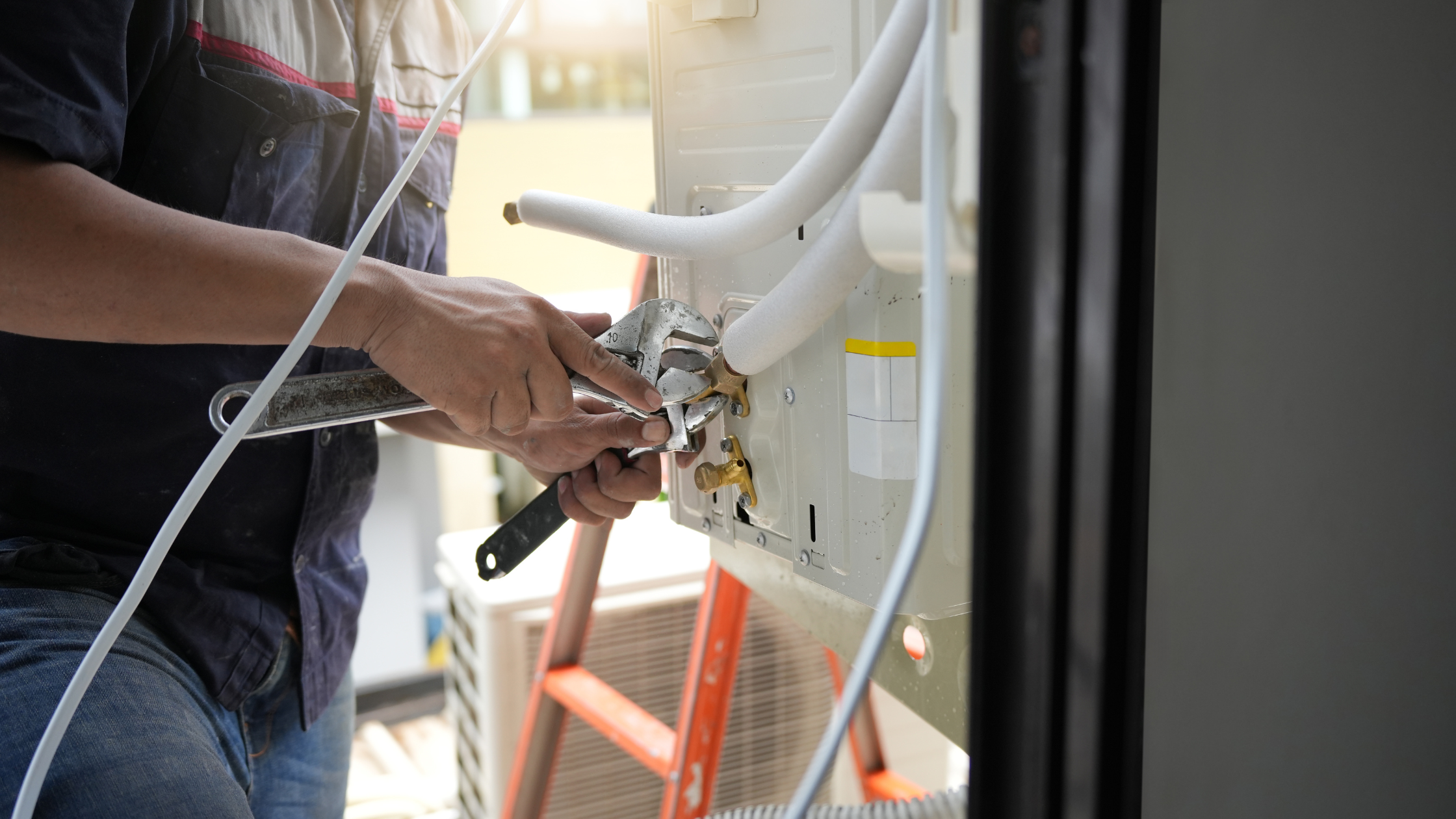
linear motion

Choosing the Right Linear Motion System: A Technical Guide for Engineers 

Selecting the right linear motion system is a critical engineering decision that directly affects machine performance, accuracy, and reliability. From linear guides and ball screws to belt drives and electric actuators, each motion technology comes with unique tradeoffs in load capacity, speed, precision, and duty cycle. This technical guide breaks down how to evaluate linear motion systems, highlights common specification mistakes, and helps engineers choose the best solution for their application with confidence.

Choosing the Right Linear Motion System: A Technical Guide for Engineers  Read More »