


Blog

Electric Actuator banner

Understanding Torque, Force, and Speed in Electric Linear Actuators

When selecting an electric linear actuator, understanding how torque, force, and speed work together is key to achieving the right balance of performance and efficiency. Each factor influences the others, and trade-offs between them determine how well an actuator fits your application.  In this article, we’ll explain what these three parameters mean, how they interact, and how to use […]

Understanding Torque, Force, and Speed in Electric Linear Actuators Read More »
bundled ball screws

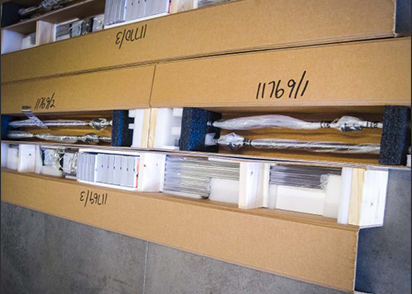
Rolled vs. Ground Ball Screws: Understanding the Differences

When it comes to selecting the right ball screw for your application, you’ll likely encounter two main types: rolled and ground screws. While both serve the same fundamental purpose – converting rotary motion into linear motion – there are key differences in their manufacturing processes, accuracy, cost, and overall suitability for specific applications. In this

Rolled vs. Ground Ball Screws: Understanding the Differences Read More »

Medical Device manufacturing

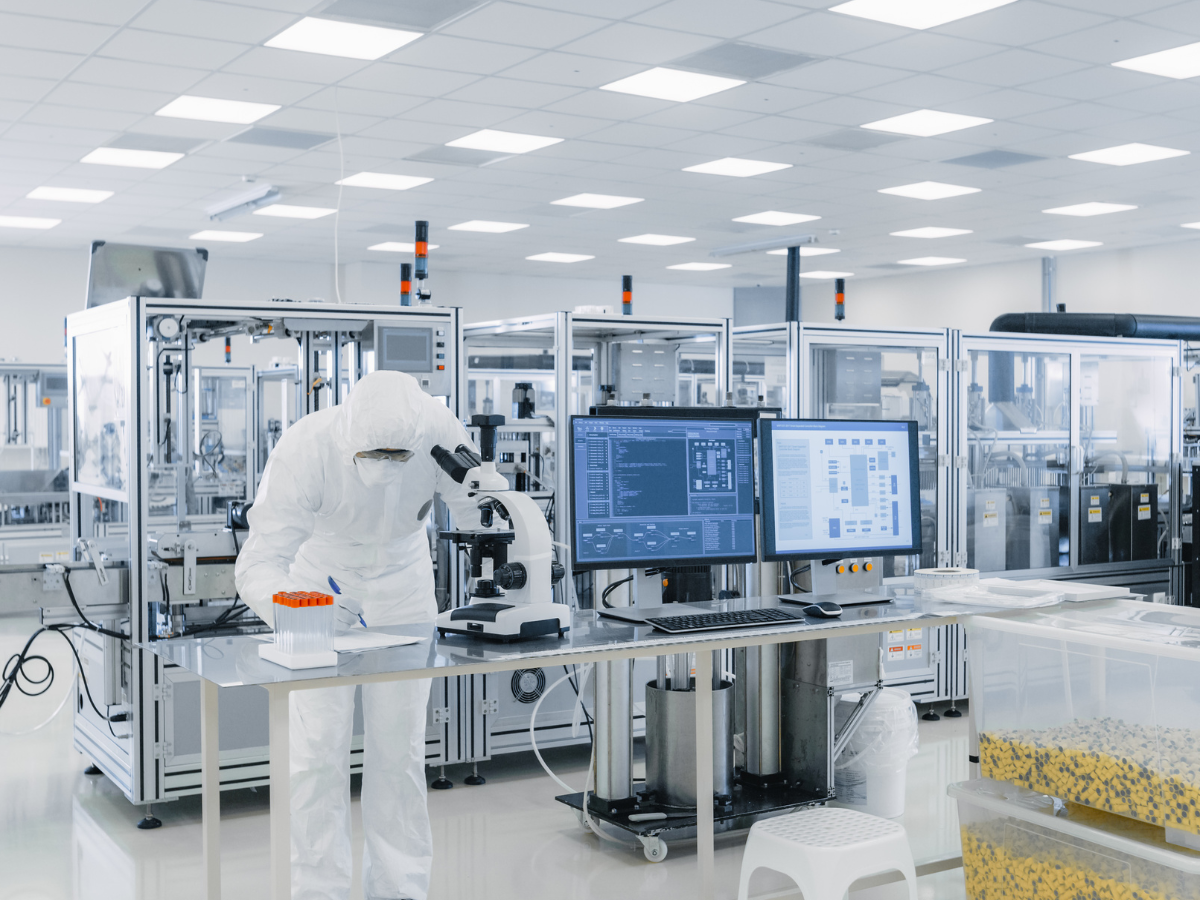
How Linear Motion Systems Are Enabling Innovation in Medical Device Manufacturing

The manufacturing of medical devices demands automation solutions that combine high precision, reliability, and compliance with stringent cleanroom classifications. Every component, from actuators to motion guides, must meet standards that protect patient safety and ensure regulatory approval. In this environment, linear motion systems provide the accuracy, cleanliness, and compactness necessary to advance modern automation in medicine. What Is Linear Motion? Linear

How Linear Motion Systems Are Enabling Innovation in Medical Device Manufacturing Read More »

bundled linear guides

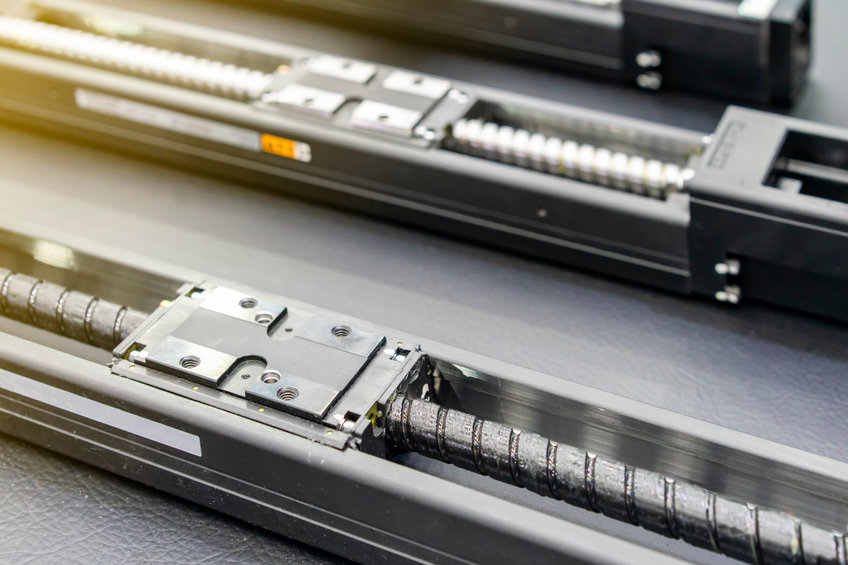
Heavy-Duty Linear Guides vs. Standard Linear Guides: Understanding the Differences

What Are Linear Guides, and Why Are They Critical in Industrial Automation? Linear guides, also known as linear rail systems, are the foundation of precise, smooth, and controlled motion in automated machinery. Whether you’re building a CNC machine, a packaging line, or a robotic cell, the linear guide system ensures accurate linear positioning under load. But not

Heavy-Duty Linear Guides vs. Standard Linear Guides: Understanding the Differences Read More »

ball screw

How to Select the Right Ball Screw for Your Machine Design

When designing a machine that demands precision linear motion, choosing the right ball screw is crucial. A properly selected ball screw not only improves accuracy and efficiency—it also extends the lifespan of your system. At Tavoron, we supply industry-proven ball screws from PMI and TBI, trusted manufacturers known for precision engineering, quality manufacturing, and reliability across industries. Below,

How to Select the Right Ball Screw for Your Machine Design Read More »

technician cleaning machine

How to Clean and Lubricate PMI Linear Rails for Longevity

Whether you’re working in automation, CNC machining, or precision manufacturing, PMI linear guides are a key component in ensuring smooth, precise motion. But like any high-performance mechanical system, they require regular care to maintain their efficiency and lifespan. In this post, we’ll walk you through how to properly clean and lubricate PMI linear rails—so your

How to Clean and Lubricate PMI Linear Rails for Longevity Read More »

Electric Actuator Image

Electric Actuators: Revolutionizing Automation in Manufacturing

The manufacturing industry is always changing, thanks to new technologies that increase efficiency, precision, and cost savings. One of the key players in this shift? The electric actuator. While pneumatic and hydraulic actuators have been the go-to for years, electric actuators are quickly becoming the preferred choice in many automation setups. They’re playing a huge role in

Electric Actuators: Revolutionizing Automation in Manufacturing Read More »

A Brief Guide on Troubleshooting Pneumatic Actuators

Pneumatic actuators are used to convert the energy from pressurized air into rotary and linear motion. With exceptional motion control, it guarantees the precision needed in automation. They are used in many industries, such as automotive, food processing, and manufacturing because of their many benefits. If your pneumatic actuator and its components are not working

A Brief Guide on Troubleshooting Pneumatic Actuators Read More »

Pneumatic automation system

Ideal Applications For Pneumatic Actuators

Pneumatic actuators are used in many industries utilizing automation systems such as manufacturing, packaging, food and beverage, and automation. These actuators that draw their power from compressed air come in a wide array of sizes and configurations operating at high speeds while offering flexibility. In addition, pneumatic actuators offer both rotational and linear movement allowing

Ideal Applications For Pneumatic Actuators Read More »