



Just as in the manufacturing of medical devices, end-of-line packaging and palletizing of products intended for patient healthcare must also meet strict governmental regulations. At the same time, to remain competitive, packaging and palletizing of these sensitive products must be done efficiently and cost effectively. Fortunately, there are automated options available that not only boost productivity and cut costs, but also ensure that medical devices are handled carefully, safely and securely during end-of-line processing.
Special Considerations for Packaging and Palletizing Medical Devices
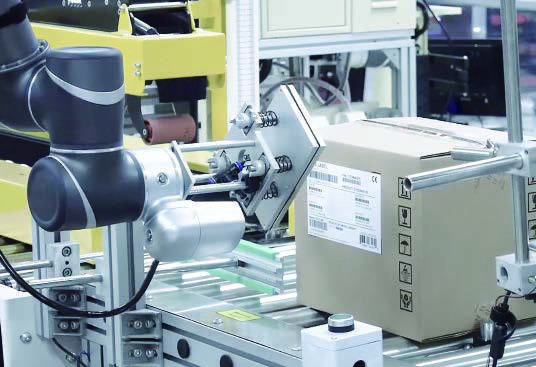
The manufacturing of medical devices is overseen by the U.S. Food and Drug Administration (FDA) and all medical devices must meet the FDA’s Quality System Regulation (QSR, essentially best practices for medical manufacturers), which mandates that every step from assembly to packaging to shipping and delivery must be performed in a way that consistently meets specifications regarding safety, sterility, consistency and precision.
This means the FDA is just as rigorous about the packaging, handling and transportation of medical devices as it is about the manufacturing process for these products.
Specifically, the FDA mandates that packaging, palletizing and handling of medical devices is carried out in a clean, safe environment, that the integrity of the package is guaranteed and that all products are traceable from the point of manufacture right on through to packaging and distribution and the point of purchase to prevent medical errors, enhance supply chain security and assist in cases of recalls. Further, the FDA requires that manufacturers of medical devices use packaging and palletizing methods that protect against environmental conditions, keep products sterile and germ free and prevent damage or exposure during transport.
